Invisible Boundaries: The Technology Behind Dog Fence Wire
Release time:2026-01-25 Click:19
The concept of containing a pet without a physical barrier has fascinated pet owners for decades, leading to the widespread adoption of electronic containment systems. At the heart of these systems lies the dog fence wire, a specialized copper or aluminum conductor designed to carry a low-voltage signal. This wire is the literal lifeline of the invisible fence, buried around the perimeter of a yard to define the "safe zone." When a dog wearing a receiver collar approaches the wire, the collar detects the magnetic field and emits a warning tone, followed by a mild static correction if the dog persists, effectively training the animal to respect the boundary.
Installation of the dog fence wire requires careful planning to ensure maximum effectiveness. The wire can be buried directly in the ground, twisted around existing physical fences, or stapled to the underside of a wooden railing to keep it out of sight. The gauge of the wire is typically heavy-duty to prevent breakage from soil movement or gardening accidents, and the insulation is rated for direct burial to withstand moisture and UV exposure. For larger properties, the wire can be looped to create "exclusion zones" around flower beds or pools, teaching the dog that specific areas within the yard are off-limits.
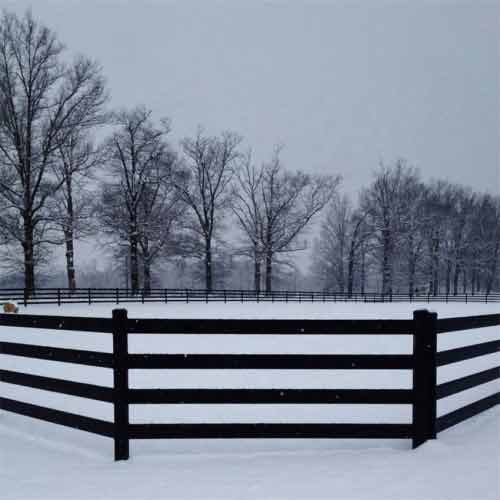
One of the primary advantages of using dog fence wire is the preservation of aesthetics and view. Unlike a solid wood fence that blocks the sightline and makes a yard feel claustrophobic, an electronic system is completely invisible. This is particularly valuable for homeowners with scenic views or those who want to maintain an open-concept landscape design. The wire does not obstruct sunlight or wind, allowing the grass and garden to grow uninterrupted. It creates a psychological boundary rather than a physical one, which many dogs adapt to surprisingly quickly.
However, the success of the system relies heavily on the quality of the dog fence wire and the transmitter. Cheap, thin wires are prone to breakage and signal interference, which can lead to "ghost corrections" or system failure. High-quality systems use multi-strand copper wire with corrosion-resistant coating. The transmitter box, usually installed in a garage or basement, sends a continuous pulse through the wire. If the wire is cut or shorted, the system alerts the owner with a light or sound, making troubleshooting relatively straightforward compared to repairing a broken physical fence.
Training is an inseparable component of the dog fence wire experience. It is not a "set it and forget it" solution; it requires a period of conditioning where the owner walks the dog through the flags marking the boundary. The dog learns to associate the warning beep with the visual limit. Over time, the fear of the correction becomes secondary to the understanding of the boundary itself. For stubborn or high-prey-drive dogs, this training period may be longer, but the wire provides a consistent, reliable consequence that is humane when used correctly.
In conclusion, the dog fence wire represents a sophisticated blend of electrical engineering and animal behavioral science. It offers a cost-effective alternative to traditional fencing, often costing a fraction of the price of a wooden perimeter. While it may not be suitable for every dog—particularly those with high anxiety or very thick coats—it remains one of the most popular solutions for pet containment. By burying a simple wire, owners can grant their dogs acres of freedom while keeping them safe from the dangers of the road and the neighborhood.
Previous article:Benefits of Farm Perimeters Split Rail Fence Panels
Next article:The Uncompromising Priority: Engineering for Safety Railing
Hot products
Mobile: +86 13292822131
Email:metalproducts2023@163.com
Email:634049339@qq.com