Welcoming Guests with Rustic Grandeur at a Split Rail Fence Driveway Entrance
Release time:2026-03-13 Click:2
Few landscape features convey warmth and heritage like a split rail fence driveway entrance. Rooted in frontier tradition yet adaptable to modern estates, this open-style barrier uses horizontally stacked logs or simulated timbers to frame arrivals with understated elegance and pastoral charm.
A split rail fence driveway entrance typically features 2–4 rails per section, secured between sturdy posts—often cedar, locust, or pressure-treated pine for longevity. The gaps between rails allow unobstructed views while subtly defining property lines. For enhanced durability, many opt for PVC or composite versions that mimic wood grain without rot or insect vulnerability.
Placement is strategic. The entrance often flares outward slightly to guide vehicles smoothly onto the drive. Stone pillars, lantern posts, or ornamental gates can anchor the ends, blending rustic simplicity with architectural detail. Landscaping—such as boxwoods, lavender, or climbing roses—softens the structure and adds seasonal interest.
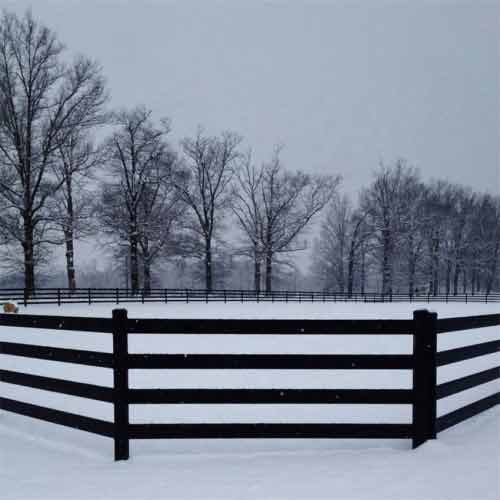
This style excels in low-maintenance settings. With no panels to warp or paint, upkeep is limited to occasional post realignment or debris removal. In snowy regions, the open design prevents snow accumulation and eases plowing. Wildlife can pass through freely, reducing damage from frustrated deer or foxes.
Customization thrives within tradition. Rails can be rounded, chamfered, or hand-hewn for texture. Heights range from 30 inches (for visual definition) to 48 inches (for light pet containment). Some integrate low hedges or boulders beneath the lowest rail to deter foot traffic while preserving sightlines.
More than a boundary, a split rail fence driveway entrance sets a tone. It whispers hospitality, history, and harmony with the land—inviting guests not just onto your property, but into your story.
Previous article:Reliable Livestock Management with the Purpose-Built Cow Fence
Next article:no more
Hot products
Mobile: +86 13292822131
Email:metalproducts2023@163.com
Email:634049339@qq.com