Structural Precision: Mastering the Split Rail Fence Corner
Release time:2026-02-24 Click:10
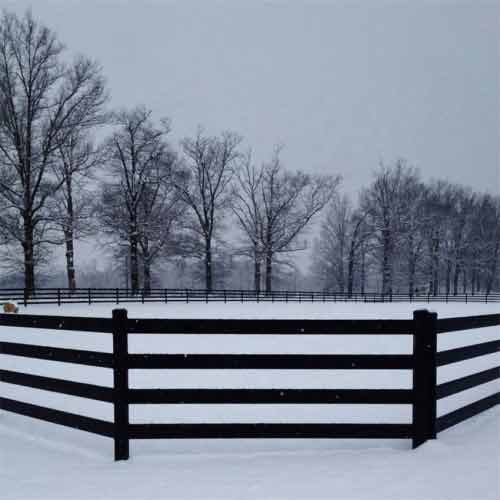
Split rail fences are a classic choice for rural and suburban properties, known for their rustic charm and simple, open design. While the straight sections of these fences are relatively straightforward to install, the split rail fence corner requires careful planning and precision to ensure structural integrity and visual appeal. A well-built corner not only supports the fence but also enhances the overall aesthetic of the property.
The split rail fence corner serves as a critical junction, connecting two sections of fence at an angle—typically 90 degrees for rectangular or square areas. Unlike straight fence sections, which only need to withstand linear pressure, the corner must bear the weight and tension from both directions. This means choosing the right materials and installation methods is essential to prevent the fence from sagging or leaning over time.
One of the key components of a split rail fence corner is the corner post. These posts are usually thicker and sturdier than regular fence posts, providing the necessary support for the two fence sections. They are often set deeper into the ground and reinforced with concrete to ensure stability. For wooden split rail fences, cedar or pressure-treated pine are popular choices for corner posts, as they are resistant to rot and insect damage.
Installing a split rail fence corner requires precise measurement and alignment. Before setting the corner post, homeowners should mark the desired angle and ensure the two fence sections are properly positioned. Using a level and string line can help maintain straightness and ensure the corner is square. For uneven terrain, the corner post may need to be adjusted to accommodate slopes, while still providing a secure base for the fence rails.
There are several methods for attaching split rails to the corner post, depending on the fence’s design. Some use notched posts, where the rails fit into pre-cut grooves, creating a tight, secure connection. Others use brackets or screws to fasten the rails to the post, offering additional stability. Regardless of the method, it’s important to ensure the rails are snug against the post to prevent movement.
In conclusion, the split rail fence corner is a vital part of any split rail fence system, requiring precision and attention to detail. A well-constructed corner ensures the fence remains stable and durable, while enhancing the rustic charm that split rail fences are known for. By choosing the right materials, measuring carefully, and using proper installation techniques, homeowners can create a split rail fence corner that stands the test of time.
Previous article:Safe Pasture Split Rail Fence Panels Keep Livestock Secure in Open Grazing Areas
Next article:How Fence Panels Transform Garden Spaces into Defined Retreats
Hot products
Mobile: +86 13292822131
Email:metalproducts2023@163.com
Email:634049339@qq.com